Terms such as ‘learned helplessness’ (Seligman & Maier, 1967) in psychology tend to seem distant from our real lives. Often, people experiencing this – whether themselves or within a relationship – do not realise that this is their reality.
But the truth is, learned helplessness may be more common than most of us can tell…
Have you ever just given up before you try something, because you already think you know what the outcome will be? Well, this is exactly why understanding learned helplessness is important.
Understanding the patterns we develop, particularly from earlier experiences, can help us understand ourselves and our relationships better…
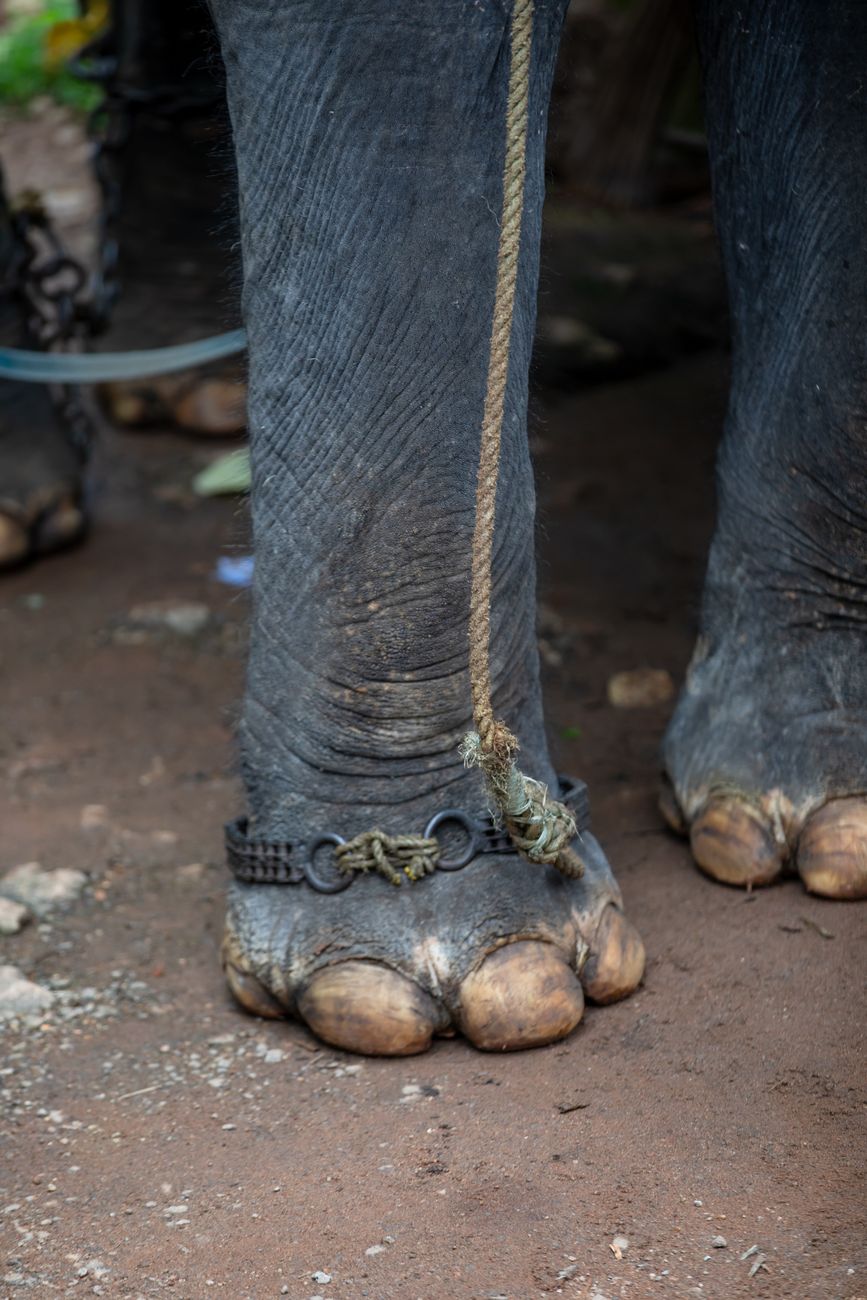
A helpful analogy for understanding how learned helplessness can occur is the Elephant and Rope. This describes a trainer tying a baby elephant to a rope, which is attached to a pole. The baby elephant struggles against the rope, but cannot break it and eventually gives up trying to escape. As the elephant grows older, it could potentially break the rope as it becomes bigger and stronger, but since it gave up years ago, it no longer tries to snap the rope at all.
It is important to note that the Elephant and Rope is an analogy rather than the original psychological research behind learned helplessness. Instead, the concept originated from research by Martin Seligman and Steven Maier, who found that animals exposed to uncontrollable shocks later showed difficulty learning to escape when escape became possible (Seligman & Maier, 1967).
This illustrates the core idea behind learned helplessness: when we repeatedly experience situations where our actions appear to have no effect, we may eventually stop trying, even when the situation changes.
Recognising that learned helplessness can manifest in different ways is important too. In the research that developed the concept, Seligman and Maier described effects including:
- Passivity – like our Elephant and Rope illustration, where someone may stop attempting to change a situation because previous attempts have seemed unsuccessful.
- Motivational difficulties – when someone has learned that their actions do not influence an outcome, they may become less motivated to try again.
- Cognitive difficulties – previous experiences of uncontrollability can interfere with recognising or learning that a different response may now produce a different outcome.
These ideas can help us think about relationships too. For example, someone who has repeatedly tried to communicate their needs but feels that nothing changes may eventually stop communicating altogether. They may stay in a situation that is making them unhappy, not necessarily because they want to, but because they have learned to believe that their actions will not make a difference.
Why is it important to understand gender differences in learned helplessness?
Firstly, understanding the way in which society teaches women and men to cope is integral when considering how they may behave differently in relationship dynamics.
In modern society, even though we have made significant progress in equality, there are still definite disparities between men and women – and expectations surrounding gender can have negative impacts on both.
For example, societal conditioning can encourage women to internalise failure or prioritise the needs of others, while men may be encouraged to hide vulnerability and appear emotionally strong. Men may mask difficulties through hyper-competence, particularly when they feel their value lies in their ability to be the ‘provider’ in the relationship- who does not show emotional weakness.
Women, on the other hand, may experience systemic disempowerment through gendered expectations in relationship dynamics. These expectations can influence the way people understand themselves and their role within relationships.
This is where ideas about attachment styles can become interesting!
Have you ever wondered why women are sometimes stereotyped as anxiously attached in relationships, and men as avoidant? These patterns should not be treated as fixed rules about men and women, but they raise an interesting question about how social expectations, previous experiences and relationship dynamics may influence the way individuals behave.
Rather than assuming that women are naturally anxious or that men are naturally avoidant, we can ask whether some of these behaviours are shaped by what people have learned about relationships, vulnerability, control and their own ability to influence situations.
Both women and men may experience co-dependency cycles which can contribute to feelings of helplessness within relationships. When someone repeatedly experiences the belief that their actions cannot change their situation, they may eventually stop trying to change it.
And perhaps this is where the Elephant and Rope becomes particularly relevant. Recognising that, sometimes, the rope is no longer as strong as we believe it is. The question is whether we have learned that we cannot break free – and whether we have ever had the opportunity to discover that we can!
Post credit: Evelyn Last


Leave a Reply